
Table of Contents
- 1. The Dominant Force: Technology and Digital Integration
- 1.1. The AI Revolution and Synthetic Realities
- 1.2. The Digital Divide and Connectivity
- 2. Geopolitical Fragmentation and Economic Shifts
- 2.1. The Rise of Protectionism and Trade Barriers
- 2.2. The Global Risks Landscape
- 3. Existential Challenges: Climate and Humanitarian Needs
- 3.1. The Climate Crisis and Energy Transition
- 3.2. Humanitarian Crises and Global Needs
- 4. Societal and Cultural Dynamics
- 4.1. Shifting Identities and Recognition
- 4.2. Inequality and Social Cohesion
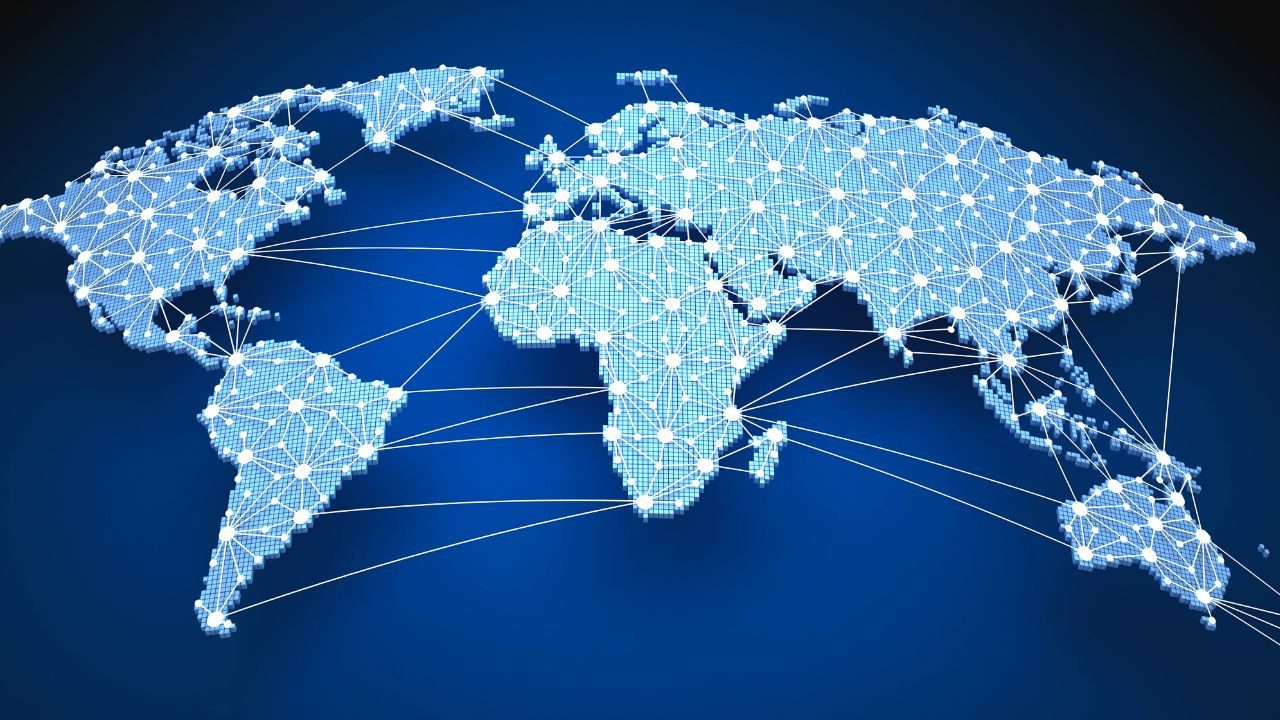
The term global signifies a world defined by profound interconnectedness. In the contemporary era, few challenges or opportunities remain confined to single borders. Everything from economic cycles and climate patterns to digital trends and public health crises operates on a worldwide scale, demanding collective action and multilateral understanding. Analysing the global landscape means assessing the major forces—technological, geopolitical, environmental, and societal—that are reshaping our collective future.
This overview explores the key dynamics driving the current global narrative, highlighting the areas of most significant change and risk as the world navigates a period of rapid, often disruptive transformation.
1. The Dominant Force: Technology and Digital Integration
The most rapid and impactful shift globally is driven by technology, fundamentally altering how societies communicate, transact, and create value.
1.1. The AI Revolution and Synthetic Realities
Artificial Intelligence (AI) has moved from a specialised field to a ubiquitous force, marking the start of what many call the Adaptive Renaissance. AI is being rapidly integrated into creative processes, enhancing productivity and fundamentally changing the nature of work. However, this progress brings tension. The rise of synthetic realities—AI-generated content and deepfakes—is blurring the lines between the real and the fictional, driving consumer wariness and demanding new global standards for mandatory realism and transparency.
1.2. The Digital Divide and Connectivity
Staggering numbers characterise the global digital landscape: billions of people are now internet users, and social media adoption has reached a “supermajority” status. Yet, this expansion is uneven. The digital divide persists, creating economic imbalance between regions with robust digital infrastructure and those still struggling with basic access. Furthermore, the strategic importance of technology has led to debates over digital sovereignty, in which governments implement policies to control and regulate digital services within their borders, thereby affecting cross-border data flows and international commerce.
2. Geopolitical Fragmentation and Economic Shifts
The global political and economic order is becoming increasingly fractured, moving away from the consensus-driven multilateralism of previous decades toward a more fragmented landscape of competing interests and protectionist policies.
2.1. The Rise of Protectionism and Trade Barriers
Global economic growth is slowing, partly due to a sharp rise in trade barriers and policy uncertainty. The pandemic and subsequent geopolitical tensions accelerated a push for national self-sufficiency across key sectors, including technology, healthcare, and energy. This drive for resilience, while locally beneficial, creates friction globally, resulting in fragmented supply chains and a retreat of Foreign Direct Investment (FDI) in many emerging markets. The challenge for global leaders is to foster multilateral policy efforts to stabilise trade and investment flows.
2.2. The Global Risks Landscape
According to expert surveys, the global risks landscape is defined by escalating challenges that threaten stability. In the short term, concerns are dominated by conflict and technological risks, such as disinformation and the malicious use of AI. Over the longer term, environmental risks—namely, climate change and biodiversity loss—dominate the threats. This increasingly fractured global environment highlights the critical need for international cooperation, even as geopolitical tensions complicate unified action.
3. Existential Challenges: Climate and Humanitarian Needs
The environmental and humanitarian spheres represent the most severe long-term challenges for the global community.
3.1. The Climate Crisis and Energy Transition
The transition to a sustainable global economy is underway, but faces significant hurdles. A struggle between policy mandates and market forces characterises the energy transition. While clean technology is making inroads, the immediate need for energy security amid geopolitical crises often prioritises fossil fuels. Furthermore, the immense climate finance gap—the funding required to help developing nations adapt and transition—remains a major global hurdle that requires a massive mobilisation of private and public capital.
3.2. Humanitarian Crises and Global Needs
Conflict, climate change, and economic instability are converging to create unprecedented humanitarian needs. Millions of people are currently in need of assistance globally due to complex, protracted crises. The Global Humanitarian Overview notes that escalating conflicts and the deepening impacts of climate-related disasters are driving large-scale migration, placing pressure on both receiving nations and international aid systems. Responding to these crises requires a coordinated, resource-intensive global push to protect vulnerable populations and address the root causes of displacement and instability.
4. Societal and Cultural Dynamics
Beneath the macro-forces, society itself is being reshaped by digital life, changing values, and economic pressures.
4.1. Shifting Identities and Recognition
Technology and social media platforms are creating new avenues for identity and recognition. Authenticity is replacing superficial fame, with consumers increasingly favouring brands and figures who demonstrate genuine transparency. Simultaneously, the ability to create boundless identities through virtual and AI-enhanced means is sparking debates over privacy, consent, and the very meaning of human connection in the digital age.
4.2. Inequality and Social Cohesion
Growing economic inequality within and between countries remains a persistent global risk. This inequality is exacerbated by factors such as rising debt, inflation risks, and the uneven impact of technological adoption on labour markets. These economic pressures, combined with increased global political polarisation, strain social cohesion, requiring policymakers to focus on reforms that strengthen human capital, improve labour-market functioning, and ensure inclusive growth for all segments of society.