
Introduction
Sea freight Shipping Guide remains one of the most reliable and cost-effective ways to ship large volumes of goods from the United Kingdom to the United States. Whether you’re an e-commerce retailer, manufacturer, or importer, understanding how ocean shipping works can save time, reduce costs, and prevent delays.
In this guide, we’ll explain everything you need to know about UK–USA sea freight, including shipping methods, container types, estimated costs, documentation, and the most common questions businesses ask.
1. What Is Sea Freight?
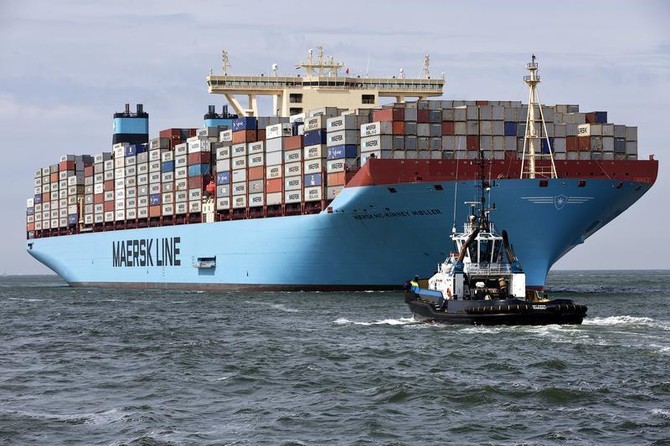
Sea freight, also known as ocean freight, involves transporting cargo across international waters via large ocean-going vessels. Compared to air freight, it’s slower but far more affordable for heavy or bulky goods.
For UK exporters, sea freight is the preferred choice for shipping products such as machinery, vehicles, textiles, food products, and consumer goods to ports in the United States, including New York, Los Angeles, Houston, and Savannah.
2. Sea Freight Options: FCL vs LCL
Full Container Load (FCL):
- You rent an entire container for your shipment.
- Best for large or high-value cargo.
- Offers more security and faster processing.
Less than Container Load (LCL):
- Your goods are shared in a container with other shippers.
- Ideal for small to medium shipments.
- Cheaper, but slightly slower due to consolidation and deconsolidation times.
Example:
If you’re shipping 25 cubic meters of furniture, an FCL (20ft container) is more cost-effective. However, if you’re shipping only 5 cubic meters of goods, LCL is the more cost-effective choice.
3. Major UK and USA Ports
UK Departure Ports:
- Port of Felixstowe – the largest container port in the UK.
- Port of Southampton – ideal for South England and London.
- Port of Liverpool – Convenient for Northern Exporters.
US Arrival Ports:
- Port of New York & New Jersey – main entry point for East Coast shipments.
- Port of Los Angeles / Long Beach – key West Coast destination.
- Port of Savannah – growing in popularity for Southeast US imports.
- Port of Houston – a primary gateway for central and southern states.
4. Container Types & Sizes
| Container Type | Size | Typical Use |
|---|---|---|
| 20ft Dry Container | 33.2 m³ | Standard goods, machinery |
| 40ft Dry Container | 67.7 m³ | Larger shipments, furniture |
| 40ft High Cube | 76.4 m³ | Voluminous but lightweight goods |
| Reefer Container | Varies | Temperature-controlled (food, pharma) |
| Open Top / Flat Rack | Varies | Oversized cargo, vehicles |
Selecting the right container ensures your cargo is secure, cost-effective, and compliant with international standards.
5. Sea Freight Costs from the UK to the USA (2025)
Sea freight prices depend on various factors, including container size, weight, route, and fuel costs.
Estimated cost examples (as of 2025):
- FCL (20ft container): £2,000 – £3,200
- FCL (40ft container): £3,800 – £5,500
- LCL shipments: £35 – £50 per cubic meter
Additional fees may include:
- Port handling and documentation charges
- Customs clearance fees
- Insurance (recommended)
- Delivery from port to final destination (inland transport)
6. Transit Time: How Long Does It Take?
The average sailing time between the UK and the USA is typically 10–21 days, depending on the route and the destination port.
| Route | Estimated Transit Time |
|---|---|
| Felixstowe → New York | 10–14 days |
| Southampton → Savannah | 14–18 days |
| Liverpool → Houston | 18–21 days |
| London Gateway → Los Angeles | 25–30 days |
Please note that customs clearance, weather conditions, and port congestion can impact the total delivery time.
7. Required Shipping Documents
To ensure smooth customs clearance, you’ll need:
- Bill of Lading (B/L) – proof of shipment and contract of carriage.
- Commercial Invoice & Packing List – item details and declared value.
- Certificate of Origin – confirms where goods were manufactured.
- Insurance Certificate – protects against damage or loss.
- Import/Export Licences (if applicable) – for restricted items.
8. Benefits of Shipping by Sea from the UK to the USA
- Cost Efficiency: Cheaper than air freight for large shipments.
- Capacity: Handles heavy or oversized cargo.
- Sustainability: Lower carbon footprint per unit compared to air transport.
- Global Connectivity: Frequent sailings from multiple UK ports to every primary US gateway.

Shipping Guide

Conclusion
Shipping by sea from the UK to the USA offers unmatched value for businesses seeking reliable, large-scale transport. By selecting the correct freight option, preparing accurate documentation, and collaborating with a trusted freight forwarder, you can ensure a seamless and cost-effective transatlantic delivery.
FAQs About Sea Freight UK to USA
Q1: How can I reduce sea freight costs?
A: Book early, consolidate shipments (LCL), compare freight forwarder quotes, and use nearby ports to minimize inland transport costs.
Q2: Do I need a customs broker?
A: Yes, it’s highly recommended. A licensed customs broker simplifies import/export paperwork and ensures compliance with US customs regulations.
Q3: Is insurance mandatory for sea freight?
A: Not mandatory, but essential. Marine insurance covers loss or damage caused by rough seas, accidents, or container mishandling.
Q4: Can I track my shipment?
A: Most freight forwarders provide online tracking with real-time vessel updates using the container number or Bill of Lading.
Q5: What’s the difference between CIF and FOB terms?
A:
- CIF (Cost, Insurance, and Freight): The seller covers shipping and insurance costs to the destination port.
- FOB (Free on Board): The buyer arranges and pays for shipping after the goods are loaded onto the vessel.