

Table of Contents
- Introduction
- What Are Global Freight Solutions?
- Types of Freight Transportation
- Key Elements of Effective Global Freight Solutions
- Benefits of Global Freight Solutions
- Challenges in Global Freight Management
- The Future of Global Freight Solutions
- Conclusion
- Frequently Asked Questions (FAQs)
Introduction
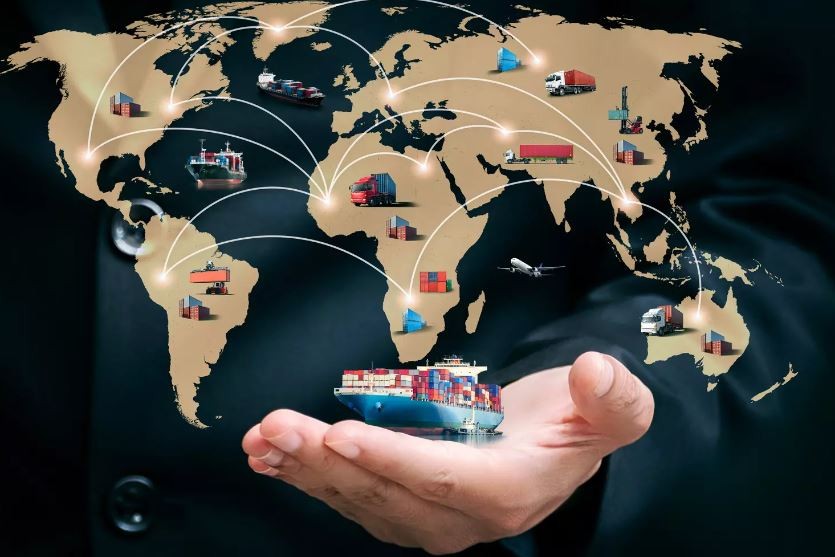
In today’s interconnected economy, efficient freight movement is the backbone of international trade. From consumer electronics to raw materials, billions of tons of goods are shipped across borders daily. The process that makes this possible is known as global freight solutions—a comprehensive network of services and technologies that manage the international transportation of goods.
Whether by sea, air, road, or rail, freight solutions ensure that businesses can deliver products safely, quickly, and cost-effectively to customers around the world.
What Are Global Freight Solutions?
Global freight solutions refer to the systems, strategies, and services that enable the international transportation of goods from one country to another. These solutions combine logistics management, transportation planning, and customs compliance to ensure smooth cross-border delivery.
Freight forwarding companies and logistics service providers play a vital role by managing carrier selection, route optimization, documentation, and cargo tracking. The ultimate goal is to reduce transit time, minimize costs, and guarantee reliability.
Global freight solutions are essential for manufacturers, exporters, and importers who depend on timely and efficient supply chain operations.
Types of Freight Transportation
Global freight solutions utilize multiple transportation modes depending on the type of goods, urgency, and cost considerations:
Air Freight
The fastest mode of transport, ideal for high-value or time-sensitive shipments.
Common for electronics, pharmaceuticals, and perishables.
Sea Freight
Most economical for large volumes or heavy goods.
Accounts for nearly 90% of global trade by volume.
Road Freight
Critical for regional and last-mile delivery.
Offers flexibility for door-to-door services across borders.
Rail Freight
Cost-effective and sustainable for long-distance inland transport.
Growing in use between Asia and Europe for intercontinental trade.
Modern logistics often use multimodal transport, combining two or more modes to achieve cost and time efficiency.
Key Elements of Effective Global Freight Solutions
Supply Chain Visibility:
Advanced tracking systems and real-time data analytics provide end-to-end visibility of shipments.
Freight Forwarding Expertise:
Skilled freight forwarders handle documentation, carrier negotiations, and customs compliance efficiently.
Technology Integration:
Tools like AI, IoT, and blockchain enhance transparency, route optimization, and predictive planning.
Sustainability Practices:
With rising environmental concerns, logistics providers are adopting eco-friendly solutions such as fuel-efficient fleets and carbon-neutral shipping.
Customer-Centric Approach:
Global freight companies now focus on personalized logistics services, offering flexible routes, dynamic pricing, and real-time communication.
Benefits of Global Freight Solutions
- Efficient Global Trade: Enables smooth import/export processes and reduces transit delays.
- Cost Optimization: Smart routing and consolidation lower overall logistics expenses.
- Risk Reduction: Insurance, tracking, and compliance minimize damage or loss risks.
- Scalability: Supports business growth by managing increasing shipment volumes.
- Global Market Access: Opens opportunities to reach customers in new markets worldwide.
Effective freight management can directly enhance customer satisfaction, brand reputation, and profitability.

Challenges in Global Freight Management
Despite its importance, managing global freight is complex and faces several challenges:
- Fluctuating Fuel Prices: Impacts on shipping and transportation costs.
- Geopolitical Instability: Trade wars and border restrictions can delay shipments.
- Customs Regulations: Varying import/export laws increase administrative workloads.
- Port Congestion and Capacity Limits: Especially during peak seasons, delays can disrupt supply chains.
- Environmental Regulations: Companies must adapt to stricter emission and sustainability standards.
Overcoming these challenges requires innovation, adaptability, and strong partnerships between carriers and logistics providers.
The Future of Global Freight Solutions
The future of freight logistics is being shaped by digital transformation and sustainability.
Automation, predictive analytics, and artificial intelligence are enabling smarter decision-making and real-time optimization. Blockchain technology is improving transparency and security in global trade documentation.
Additionally, green freight solutions are gaining traction—using electric trucks, biofuels, and alternative shipping methods to reduce carbon footprints.
The rise of smart ports and autonomous ships will further revolutionize how global freight operates, making it faster, cleaner, and more efficient.
Conclusion
Global freight solutions play an indispensable role in connecting global markets and powering supply chains. By integrating technology, sustainability, and efficient logistics practices, businesses can navigate complex international trade landscapes successfully.
As the world moves toward greater digitalization and environmental responsibility, freight solutions will continue to evolve—ensuring the global movement of goods remains smooth, sustainable, and future-ready.
Frequently Asked Questions (FAQs)
1. What does “global freight” mean?
Global freight refers to the international transportation of goods via air, sea, rail, or road between countries and continents.
2. What is the role of a freight forwarder?
A freight forwarder manages logistics, carrier selection, and customs documentation and ensures shipments reach their destination on time.
3. Which mode of freight is most cost-effective?
Sea freight is typically the most cost-efficient option for large or heavy shipments, though it has longer transit times.
4. How can technology improve freight solutions?
AI, IoT, and blockchain provide better visibility, route optimization, and real-time tracking, reducing delays and costs.
5. What are the current trends in global freight?
Key trends include automation, sustainable logistics, AI-driven analytics, and multimodal transport systems.