

Education and career are two closely connected pillars that shape an individual’s personal growth, professional identity, and contribution to society. In today’s fast-changing world, the relationship between education and career has become more dynamic than ever before. Education is no longer limited to earning a degree; it is a lifelong process that continuously influences career choices, opportunities, and success. Understanding how education supports career development can help individuals make informed decisions and build a meaningful future.
Education plays a foundational role in shaping a career
From early schooling to higher education, individuals acquire essential knowledge, critical thinking abilities, and problem-solving skills. These competencies form the basis for professional life. A strong educational background not only opens doors to employment but also provides the confidence to face challenges in the workplace. Employers often look for candidates who demonstrate both subject knowledge and the ability to learn, adapt, and innovate—qualities that education helps cultivate.
The connection between education and career is especially evident in skill development. Modern careers demand a combination of technical skills and soft skills. Technical skills, such as coding, data analysis, teaching methods, or engineering knowledge, are often gained through formal education and specialized training. Soft skills—communication, teamwork, leadership, and time management—are equally important and are developed through academic activities, presentations, group projects, and extracurricular involvement. Together, these skills enhance employability and career growth.
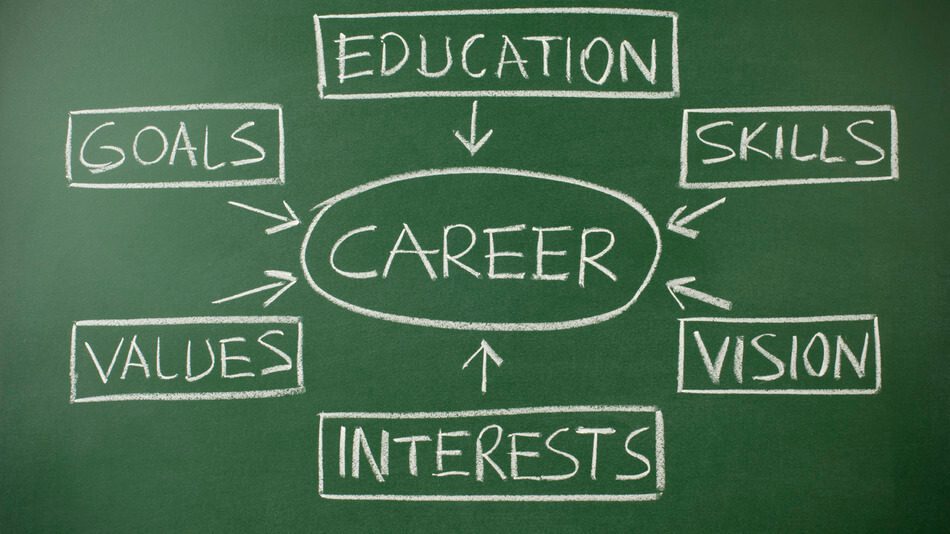
Career choices are also strongly influenced by education. Exposure to different subjects allows individuals to discover their interests and strengths. For example, a student who excels in science may pursue a career in medicine or research, while someone interested in business studies may aim for entrepreneurship or management roles. Education provides clarity and direction, helping individuals align their passions with realistic career paths. Career counseling and academic guidance further strengthen this alignment by offering insights into job markets and future trends.
In today’s global and digital economy, the role of education in career development has expanded beyond traditional classrooms. Online learning platforms, professional certifications, and short courses have become valuable tools for career advancement. These flexible learning options allow professionals to upgrade their skills, switch careers, or stay competitive without interrupting their work life. This shift highlights that education and career development are continuous processes rather than fixed stages.
Another important aspect of education and career is adaptability. Many jobs that exist today did not exist a decade ago, and many current roles may evolve or disappear in the future. Education equips individuals with the ability to adapt to change by fostering analytical thinking and a growth mindset. Lifelong learning enables professionals to reskill and upskill, ensuring long-term career stability. In this way, education becomes a safeguard against uncertainty in the job market.
Education also contributes to career success by promoting ethical values and social responsibility. Through education, individuals learn discipline, integrity, and respect for diversity—qualities that are highly valued in professional environments. A career built on strong ethical foundations not only leads to personal success but also contributes positively to organizations and society. Employers increasingly seek professionals who can balance technical expertise with moral decision-making.
The impact of education on career is not limited to individual success; it also affects national and global development. A well-educated workforce drives innovation, productivity, and economic growth. Countries that invest in education create more career opportunities for their citizens and improve overall living standards. This demonstrates that education and career development are not just personal concerns but collective priorities.
However, it is important to recognize that education alone does not guarantee career success. Practical experience, networking, and personal motivation also play critical roles. Internships, part-time work, volunteering, and mentorship programs help bridge the gap between education and career by providing real-world exposure. When education is combined with experience and continuous self-improvement, it becomes a powerful tool for achieving career goals.
In conclusion, education and career are deeply interconnected elements of a successful life. Education lays the groundwork by developing knowledge, skills, and values, while a career provides a platform to apply and refine them. In a world of constant change, lifelong education is essential for sustainable career growth. By embracing learning at every stage, individuals can build resilient careers, achieve personal fulfillment, and contribute meaningfully to society.