
Power of Education
Is one of the most powerful tools for personal development and societal advancement. It shapes the way individuals think, communicate, and contribute to their communities. In today’s rapidly changing world, education is no longer limited to classrooms or textbooks; it has become a lifelong process that empowers people to adapt, innovate, and thrive. From improving economic opportunities to fostering social harmony, education plays a vital role in building a better future for individuals and nations alike.
At its core, education provides knowledge and skills that help individuals understand the world around them. Basic education teaches literacy, numeracy, and critical thinking, which are essential for everyday life. As learners progress, education helps them develop problem-solving abilities, creativity, and analytical skills. These competencies are crucial in a world driven by technology, where information is abundant and the ability to evaluate it critically is more important than ever.

One of the most significant impacts of education is its role in economic development.
Educated individuals are more likely to secure stable employment, earn higher incomes, and enjoy better living standards. On a national level, countries that invest in education often experience stronger economic growth. A skilled workforce attracts investment, boosts productivity, and encourages innovation. Education also supports entrepreneurship by equipping people with the knowledge and confidence to start and manage businesses, creating jobs and reducing poverty.
Education is equally important for social development
It promotes equality by providing opportunities for people from diverse backgrounds to improve their lives. Access to quality education can break cycles of poverty and reduce social disparities. When girls and marginalized communities receive education, the benefits extend beyond individuals to families and entire societies. Educated populations tend to have better health outcomes, lower crime rates, and stronger civic engagement, contributing to more stable and inclusive communities.
In the modern era, education has expanded beyond traditional models
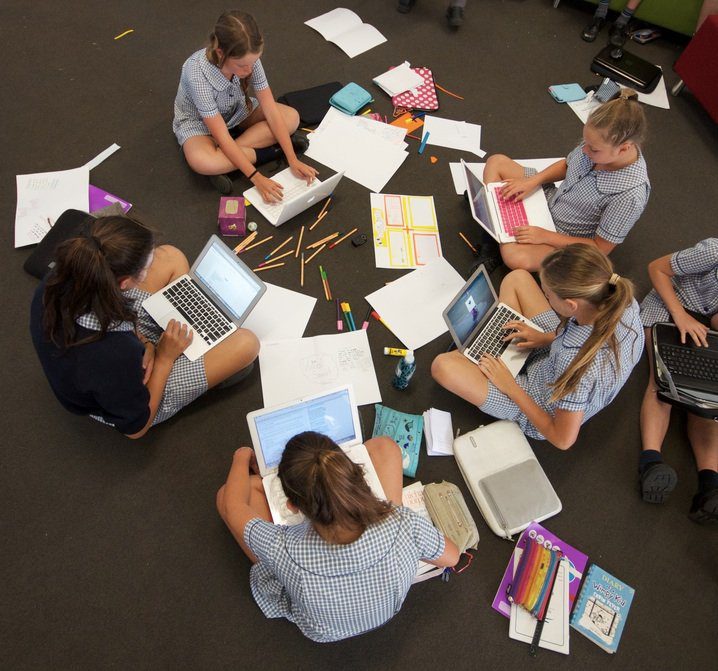
Digital technology has transformed how people learn, making education more accessible than ever before. Online courses, virtual classrooms, and open educational resources allow learners to study at their own pace and from anywhere in the world. This shift has been especially important in reaching remote areas and working professionals who seek to upgrade their skills. Technology-driven education also encourages continuous learning, which is essential in industries where skills quickly become outdated.
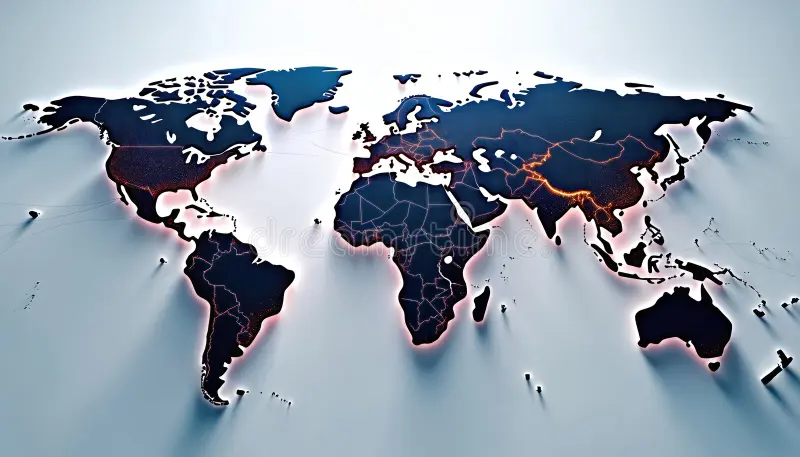
Another critical aspect of education is its role in shaping values and character. Education fosters ethical awareness, tolerance, and respect for diversity. By learning about different cultures, histories, and perspectives, students develop empathy and a broader worldview. This is particularly important in a globalized world where collaboration across borders and cultures is common. Education helps individuals become responsible citizens who can contribute positively to society and address global challenges such as climate change, inequality, and public health.
Despite its importance, access to quality education remains a challenge in many parts of the world. Factors such as poverty, conflict, and inadequate infrastructure can limit educational opportunities. Addressing these challenges requires collective efforts from governments, institutions, and communities. Investing in teacher training, modern curricula, and inclusive policies can help ensure that education reaches everyone, regardless of background or location.
1. Empowering Individuals
Education equips people with knowledge, skills, and critical thinking abilities that enable them to make informed decisions. It opens doors to better employment opportunities, improves quality of life, and fosters self-confidence and independence.
2. Driving Economic and Social Development
A well-educated population is essential for economic growth. Education fuels innovation, productivity, and entrepreneurship, while also reducing poverty and inequality. Societies that invest in education tend to be more resilient and adaptable to change.
3. Adapting to Technological Change
In the digital age, education helps individuals keep pace with rapid advancements in technology. Digital literacy, problem-solving, and adaptability are now core skills, enabling people to thrive in an economy increasingly shaped by automation and artificial intelligence.
4. Promoting Global Citizenship
Modern education encourages awareness of global issues such as climate change, human rights, and cultural diversity. By fostering empathy and cross-cultural understanding, education prepares individuals to participate responsibly in an interconnected world.
5. Encouraging Lifelong Learning
Learning no longer ends with formal schooling. Online platforms, open courses, and professional training programs make continuous education accessible, helping people reskill and upskill throughout their lives.
conclusion
Education is the foundation of individual success and societal progress. It empowers people with knowledge, skills, and values that enable them to navigate an increasingly complex world. As societies continue to evolve, the importance of education will only grow. By prioritizing education and making it accessible to all, we can create a future that is more innovative, equitable, and sustainable for generations to come.