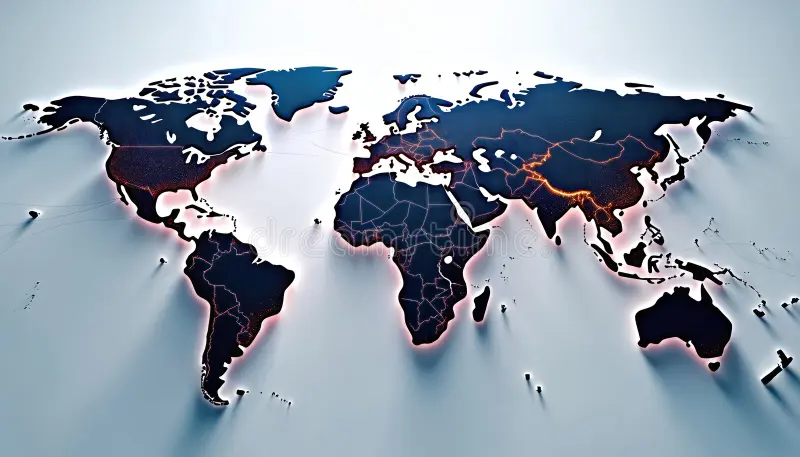

For international businesses, breaking into the Shipping to North American market is often the ultimate goal. Home to three of the world’s most robust economies—the United States, Canada, and Mexico—this region represents a massive opportunity for e-commerce brands, manufacturers, and distributors.
However, shipping logistics to North America can be complex. It involves navigating three distinct legal systems, vast geographical distances, and high consumer expectations for delivery speed. Whether you are shipping from Europe, Asia, or South America, understanding the nuances of this supply chain is critical to your success.
In this guide, we will explore the essential strategies for efficiently and cost-effectively moving goods into this region.
Understanding the North American Landscape
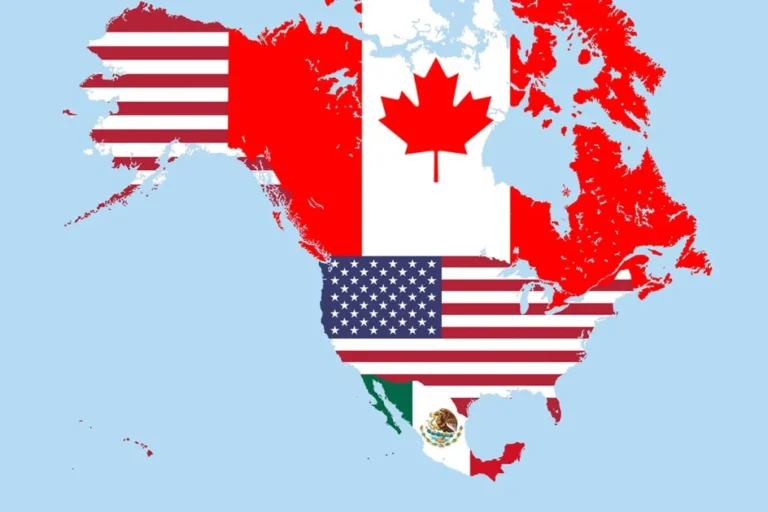
When we talk about shipping to North America, we are generally referring to the “Big Three”:
- The United States: The world’s largest consumer market. Speed and tracking are paramount here due to the “Amazon effect.”
- Canada: A massive geography with a concentrated population along the southern border. Winter weather can significantly impact logistics.
- Mexico: A manufacturing hub with specific customs regulations. It serves as a vital gateway for goods entering from Central and South America.
While the US-Mexico-Canada Agreement (USMCA) has streamlined trade between these nations, incoming shipments from outside the continent must still navigate specific individual entry requirements.
Choosing the Right Mode of Transport
The first decision in your logistics strategy is selecting the mode of transport. This choice depends entirely on your budget, your timeline, and the nature of your goods.
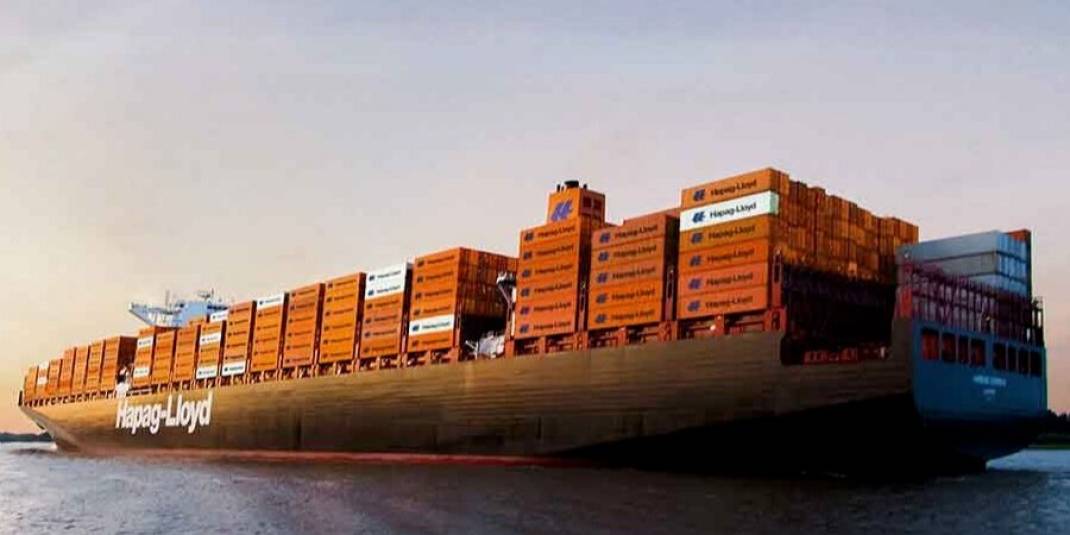
1. Ocean Freight
For high-volume shipments where time is less critical, ocean freight is the backbone of global trade.
- Pros: Most cost-effective for heavy or bulky goods; eco-friendlier than air.
- Cons: Slow transit times (20–45 days depending on origin).
- Key Ports: Los Angeles/Long Beach (West Coast), New York/New Jersey (East Coast), Vancouver (Canada), and Manzanillo (Mexico).
2. Air Freight
If you are shipping high-value electronics, fashion, or perishables, air freight is the standard.
- Pros: Fastest transit times (1–5 days).
- Cons: Significantly more expensive; strict limitations on hazardous materials (like lithium batteries).
3. Multimodal Solutions
Many savvy exporters use a “sea-air” combination. For example, shipping goods by sea from Asia to the US West Coast, and then trucking them inland to the Midwest or Canada.
Navigating Customs and Compliance
The most daunting aspect of shipping to North America is clearing customs. Each of the three nations has its own border protection agency, and mistakes here can lead to costly delays or the seizure of cargo.
Documentation is Key
To ensure a smooth entry, your Commercial Invoice must be flawless. It must include:
- HS Codes: The Harmonized System code determines the duty rate. An incorrect code can lead to fines.
- Country of Origin: Clearly stating where the product was manufactured.
- Value of Goods: Accurate declaration of value for tax assessment.
The “De Minimis” Threshold
This is a crucial concept for e-commerce. It refers to the value below which goods can enter duty-free.
- USA: Has a generous threshold ($800 USD), meaning many small B2C parcels enter tax-free.
Canada has a much lower threshold, which often surprises shippers and results in unexpected duties for customers upon delivery.
- Pro Tip: Always clarify Incoterms (International Commercial Terms) with your buyer. If you ship DDP (Delivered Duty Paid), you handle the taxes. If you ship DDU (Delivered Duty Unpaid), your customer pays the fees upon arrival. DDP is generally preferred for a better customer experience.
The Last-Mile Challenge
Once your goods arrive at a North American port or airport, the journey is only half over. The geography of North America is vast. Shipping a container from Shanghai to Los Angeles is one thing; getting those goods from Los Angeles to a rural customer in Nebraska or a snowy town in Quebec is another.
Strategic Warehousing. To overcome distance and reduce shipping times, many international companies use 3PL (Third-Party Logistics) providers. By shipping in bulk to North America and storing inventory in centrally located fulfillment centers (e.g., Chicago, Memphis, or Toronto), you can offer 2-day domestic delivery to the vast majority of your customers.
Carrier Selection
- USA: Dominated by USPS, UPS, and FedEx.
- Canada: Canada Post is essential for reaching rural areas, while private carriers handle urban centers.
- Mexico: Relies heavily on regional carriers and demands robust tracking to ensure security.
Packaging for the Journey
Never underestimate the wear and tear of international transit. More than 20 people may handle a package sent from overseas to a North American doorstep.
- Durability: Use double-walled corrugated boxes for heavier items.
- Palletizing: If shipping freight, ensure your pallets meet North American standards (typically 40×48 inches) and are ISPM 15 compliant (treated for pests).
- Labelling: Labels must be in English. In Canada, bilingual (English/French) labelling is often required by law for consumer products. For Mexico, Spanish labelling is mandatory.
Conclusion
Shipping to North America unlocks access to millions of affluent consumers, but it requires a disciplined logistics approach. The winning formula involves balancing the costs of ocean and air freight, ensuring strict compliance with customs documentation, and establishing a reliable last-mile distribution network.
By partnering with experienced freight forwarders and staying up to date on trade regulations, you can turn your supply chain from a headache into a competitive advantage, delivering your products across the Atlantic or Pacific with speed and reliability.