

A Brief History From Messengers to a Multinational Giant
The story of United Parcel Service (UPS) is a classic American tale of entrepreneurial vision and relentless adaptation. It began over a century ago, in 1907, in Seattle, Washington, as the American Messenger Company, founded by James E. Casey and Claude Ryan. In an era before telephones were commonplace, messengers on foot and bicycle provided a vital service. As the world industrialized and expanded, so too did Casey’s vision.
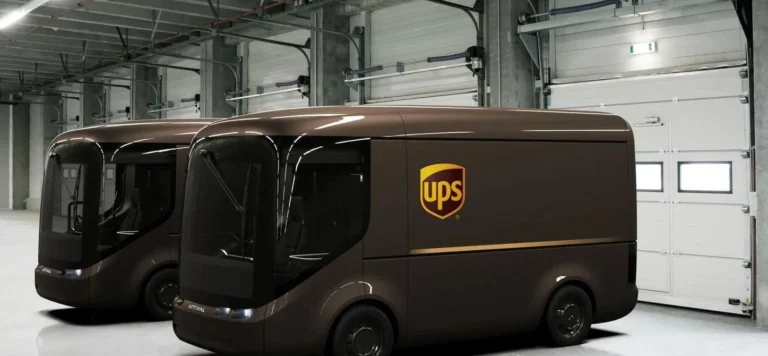
The company recognized the shift from personal messages to retail packages and, in 1919, adopted the name United Parcel Service. The distinct brown color for its delivery vehicles and uniforms—which came to be known as “Pullman brown” to signify professionalism and class—was introduced to project an image of reliability and professionalism, a stark contrast to the less uniform competition. This iconic branding, along with the commitment to efficiency, established the foundation for the company’s future dominance. Over the decades, UPS expanded its services from local deliveries to interstate ground operations and, eventually, in the late 1980s, established its own global airline, UPS Airlines, to facilitate rapid international shipping. Today, UPS is not just a delivery company; it is one of the largest and most recognized logistics and shipping companies in the world, connecting businesses and consumers across more than 220 countries and territories.
The UPS Network: A Symphony of Logistics
The sheer scale of the UPS operation is staggering. The company manages a massive, interconnected network designed to move packages, cargo, and documents with maximum speed and precision.
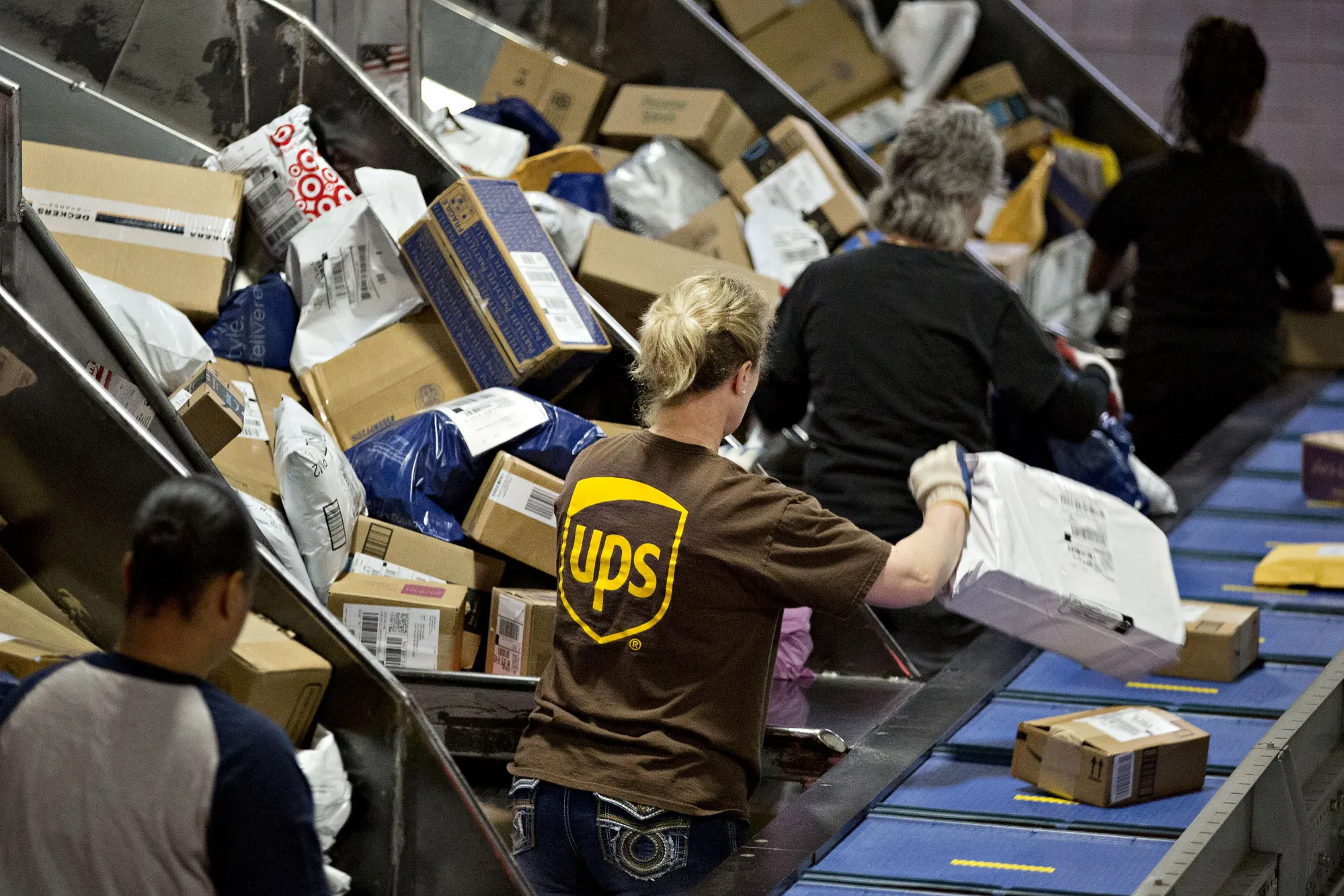
- The Fleet: The company operates one of the world’s largest private fleets, including the instantly recognizable brown delivery vans, tractor-trailers for line-haul operations, and an extensive air fleet. UPS Airlines, headquartered in Louisville, Kentucky, is among the largest cargo airlines globally. The central hub, known as Worldport, is one of the world’s most extensive automated package handling facilities, processing hundreds of thousands of packages per hour.
- Ground Operations: The backbone of its domestic service, the ground network utilizes thousands of package centers, sortation facilities, and distribution hubs. Sophisticated routing software optimizes every driver’s route, ensuring fuel efficiency and timely delivery—a critical component of its competitive edge.
- Technology and Innovation: UPS invests heavily in technology. Its package tracking system is industry-leading, allowing customers to monitor their shipments’ journeys in real time. From advanced warehouse robotics to drone delivery trials, the company continually seeks innovations to enhance efficiency, reduce costs, and improve the customer experience.
Services Beyond the Box
While parcel delivery remains the core operation, the modern UPS is a multifaceted logistics partner offering solutions that span the entire global supply chain.
- Shipping Services: This includes the standard array of delivery options:
- UPS Ground: Cost-effective, time-definite delivery within the United States, Canada, and Mexico.
- Air Services: Ranging from economical 3-day select to express, next-day air, and same-day critical delivery.
- International Shipping: Comprehensive services for both small and large international shipments, including customs brokerage to simplify cross-border trade.
- Supply Chain & Freight: Through its subsidiary, UPS Supply Chain Solutions, the company offers integrated logistics management for large businesses. This includes freight forwarding (ocean and air), contract logistics (warehousing and distribution), returns management, and specialized services for high-value, sensitive industries such as healthcare and technology. This segment moves beyond simply delivering a package; it manages a company’s entire flow of goods, optimizing inventory and reducing operational costs.
- E-commerce Enablement: As e-commerce has exploded, UPS has become an essential partner for online retailers. Services like UPS My Choice and convenient drop-off/pick-up locations, including The UPS Store franchises and UPS Access Points, provide the flexibility and convenience modern consumers demand.
The Competitive Landscape and Future Focus
UPS operates in an intensely competitive environment, primarily facing off against FedEx, the U.S. Postal Service (USPS), and increasingly, the in-house logistics arms of e-commerce giants like Amazon.
To maintain its leadership position, UPS continues to focus on several strategic areas:
- Sustainable Operations: A commitment to environmental responsibility is becoming a necessity for global corporations. UPS is investing in alternative-fuel vehicles (natural gas and electric), optimizing routes to reduce mileage, and exploring sustainable packaging options to lower its carbon footprint.
- Global Expansion: While already vast, the company is deepening its presence in emerging markets, particularly in Asia and Latin America, where economic growth is driving a surge in package and freight volumes.
- Digital Transformation: Leveraging AI and machine learning to predict demand, optimize pricing, and further automate internal processes will be key to efficiently managing the ever-increasing volume of global trade.
In essence, United Parcel Service is more than just a company with brown trucks; it is a critical piece of the infrastructure that enables modern global commerce. Its century-plus history is a testament to its ability to evolve from a local messenger service into a sophisticated technological powerhouse, ensuring the engine of global trade keeps moving, one brown box at a time.