

Introduction
As global trade continues to expand, international shipping from the UK plays a vital role in connecting businesses and consumers across continents. From e-commerce parcels to industrial equipment, UK exports reach destinations worldwide — including Europe, the USA, the Middle East, Asia, and Africa.
Whether you’re a small business shipping products overseas or an individual relocating abroad, understanding how international shipping works can help you save money, avoid customs delays, and ensure your cargo arrives on time and in perfect condition.
1. What Is International Shipping?
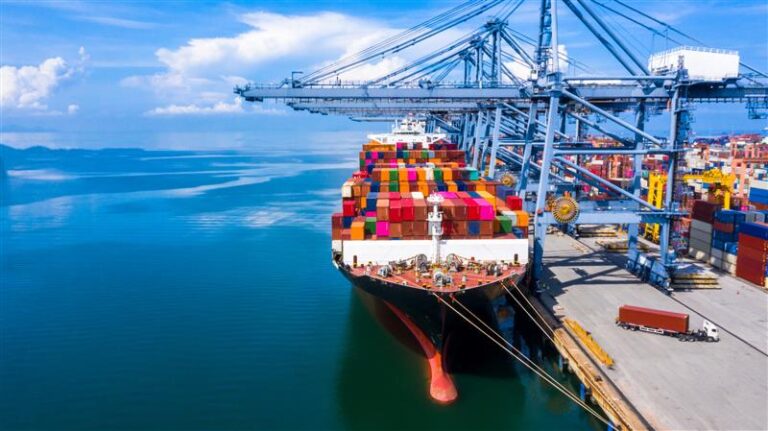
International shipping involves transporting goods or parcels across national borders using various modes such as air freight, sea freight, and courier services. It includes logistics planning, customs clearance, documentation, and delivery to the destination country.
International shipping from the UK can range from a single parcel to full container loads, depending on the size and nature of the shipment.
2. Main Shipping Methods from the UK
a) Sea Freight (Ocean Shipping)
- Best for bulk or heavy cargo.
- Cost-effective but slower (typically 10–40 days depending on destination).
- Common routes include the UK to the USA, Asia, Africa, and Australia.
b) Air Freight
- Fastest option for time-sensitive goods.
- Higher cost but delivers within 1–7 days globally.
- Ideal for electronics, fashion, or perishable goods.
c) Road Freight (Europe Only)
- Used for nearby European destinations such as France, Germany, Spain, and Italy.
- Typically, the transit time is 2–5 days.
d) International Courier Services
- Suitable for small parcels or documents.
- Carriers such as DHL, FedEx, UPS, and Royal Mail International offer door-to-door delivery with tracking capabilities.
3. Major UK Shipping Hubs
The UK is home to several world-class ports and airports that handle millions of tonnes of international freight annually:
Top Sea Ports:
- Port of Felixstowe – UK’s largest container port.
- Port of Southampton – ideal for goods heading to Asia or the US.
- Port of Liverpool – a central hub for transatlantic shipping.
Top Air Freight Airports:
- London Heathrow (LHR) – handles most international cargo.
- East Midlands Airport – a central hub for DHL and UPS.
- Manchester Airport – growing in freight capacity for northern exporters.
4. Key Steps in the International Shipping Process
- Quotation & Booking: Get quotes from freight forwarders or couriers based on shipment size, weight, and destination.
- Packaging & Labelling: Use export-grade packaging, including shipping labels and handling instructions.
- Documentation: Prepare essential export documents, including commercial invoices, packing lists, and certificates of origin, as required by the relevant authorities.
- Customs Clearance: Goods are inspected and cleared by UK customs before export.
- Transport & Tracking: The shipment is transported to the port or airport and tracked throughout the delivery process.
- Delivery & Confirmation: Final delivery is made to the recipient after customs clearance in the destination country.
5. International Shipping Costs from the UK (2025 Estimates)
Shipping costs depend on destination, weight, mode of transport, and delivery speed.
Example Estimates:
- Small parcel to Europe (2 kg): £20 – £35 via courier.
- Air freight to the USA (100 kg): £400 – £700.
- Sea freight (20ft container to Australia): £2,800 – £4,500.
Additional costs may include:
- Customs duties & taxes.
- Insurance (highly recommended).
- Storage or demurrage fees if cargo is delayed at ports.
6. Required Shipping Documents
To avoid customs delays, ensure you have the following documents ready:
- Commercial Invoice – lists item details and declared value.
- Packing List – itemized contents of each package.
- Bill of Lading / Air Waybill – proof of shipment.
- Certificate of Origin – required by some countries for trade agreements.
- Export Licence – for restricted or controlled goods.
- Insurance Certificate – Proof of Coverage for Your Shipment.
7. Delivery Times for International Shipping
Region Estimated Time (Air) Estimated Time (Sea)
| Region | Estimated Time (Air) | Estimated Time (Sea) |
|---|---|---|
| Europe | 1–3 days | 3–7 days |
| North America | 2–5 days | 10–20 days |
| Asia | 3–7 days | 20–35 days |
| Middle East | 3–6 days | 18–30 days |
| Australia | 5–10 days | 30–45 days |
These times are approximate and may vary depending on customs clearance and carrier schedules.
8. Why Choose the UK for Global Shipping?
The UK remains one of the most advanced logistics hubs globally due to:
- Extensive global connections via ports and airports.
- Strong trade agreements with major economies.
- Advanced customs systems (like the UK’s Customs Declaration Service).
- Experienced freight forwarders and logistics infrastructure.

International Shipping from the UK

FAQs About International Shipping from the UK
Q1: How can I find the best shipping rates from the UK?
A: Compare quotes from multiple freight forwarders or couriers. Use platforms like ShipBob, ParcelHero, or Freightos for live rate comparisons.
Q2: What items can’t be shipped internationally?
A: Restricted goods include weapons, perishables, batteries, flammable liquids, and counterfeit products. Check each destination’s import restrictions before shipping.
Q3: Do I need insurance for international shipments?
A: Yes. Cargo insurance protects you from loss, theft, or damage during transit — especially for high-value goods.
Q4: How can I track my international shipment?
A: Most carriers and freight companies provide a tracking number linked to your Bill of Lading or Air Waybill. You can monitor the live status online.
Q5: What’s the difference between DDP and DAP terms?
A:
- DDP (Delivered Duty Paid): Seller covers all costs, including customs duties.
- DAP (Delivered at Place): Buyer pays duties and taxes upon arrival.
Conclusion
International shipping from the UK in 2025 offers efficient, flexible, and reliable solutions for both businesses and individuals. With strong global connectivity and modern logistics systems, exporting or sending goods overseas has never been easier. By selecting the appropriate shipping method, preparing accurate documentation, and collaborating with a reputable carrier, you can ensure seamless delivery anywhere in the world.