
Table of Contents
- Introduction
- What is a global logistics network?
- Key Components of a Global Logistics Network
- How the Global Logistics Network Works
- Challenges in Global Logistics
- The Future of Global Logistics Networks
- Conclusion
- Frequently Asked Questions (FAQs)
Introduction
In an era defined by global trade and e-commerce, efficient logistics systems form the backbone of the world economy. A global logistics network connects manufacturers, suppliers, and consumers across continents, ensuring products reach their destinations swiftly and securely. These networks integrate transportation, warehousing, and technology-driven solutions to manage the flow of goods, data, and finances worldwide.
As globalization continues to expand, businesses rely heavily on these networks to maintain competitive advantages and meet growing customer demands.
What is a global logistics network?
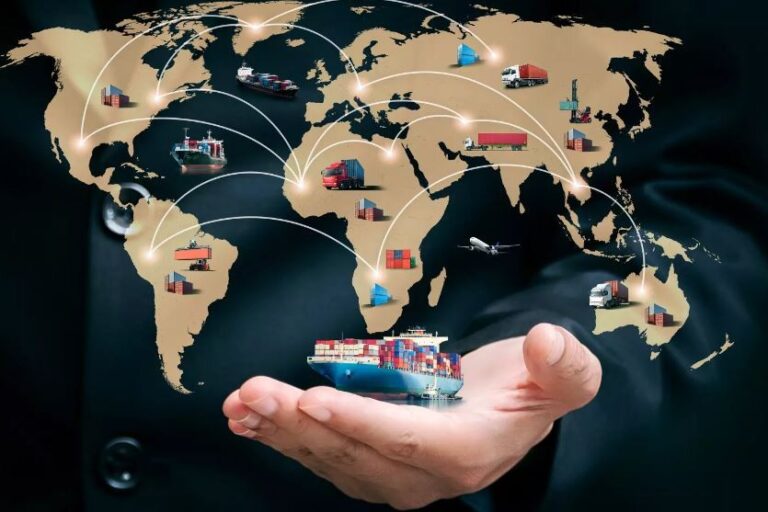
A global logistics network (GLN) refers to the interconnected system of facilities, transportation modes, and digital platforms that coordinate the international movement of goods. It includes every step from sourcing raw materials to delivering finished products to consumers across borders.
The network involves multiple stakeholders—logistics service providers (LSPs), shipping lines, freight forwarders, and customs brokers—all working together to streamline supply chains and reduce operational bottlenecks. The effectiveness of a GLN directly impacts delivery speed, product availability, and overall customer satisfaction.
Key Components of a Global Logistics Network
Transportation:
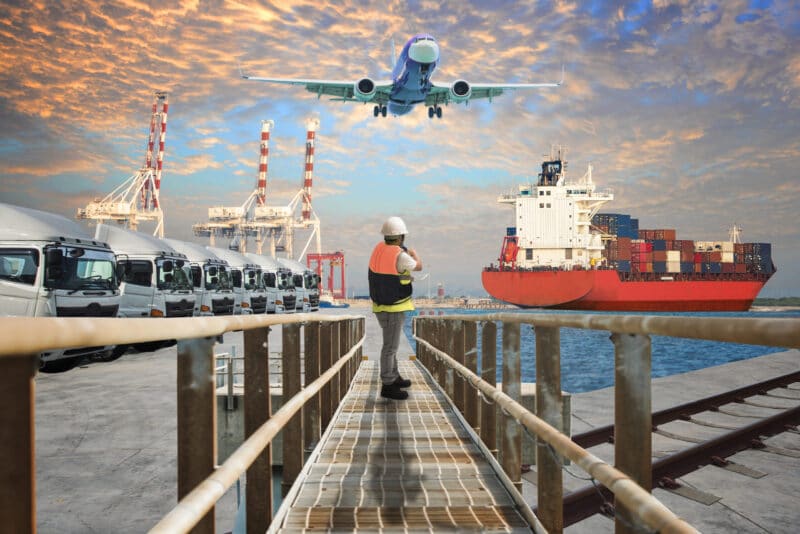
The backbone of logistics, transportation involves air, sea, rail, and road networks. Air freight provides speed, ocean freight ensures bulk capacity at lower costs, and road/rail transport facilitates inland connectivity.
Warehousing and Distribution:
Strategically located warehouses store and distribute goods efficiently. Global companies often use multiple regional hubs to ensure faster deliveries and better inventory management.
Freight Forwarding and Customs Clearance:
Freight forwarders manage shipping documentation, negotiate carrier rates, and ensure compliance with international regulations. Customs clearance ensures that goods legally cross international borders.
Information and Communication Technology (ICT):
Advanced digital tools—such as AI, IoT, blockchain, and real-time tracking systems—enhance visibility, improve planning accuracy, and optimize logistics costs.
Sustainability and Green Logistics:
With environmental concerns rising, global logistics providers are adopting green initiatives like electric vehicles, optimized fuel consumption, and reduced carbon emissions.
How the Global Logistics Network Works
A global logistics network operates through coordinated processes that manage the flow of goods, information, and payments across countries.
For example, when a manufacturer in China exports goods to Europe:
- Goods are packaged and transported to a port.
- Freight forwarders handle documentation and shipping arrangements.
- Products travel by sea or air to a European port.
- Customs agents clear the goods.
- Warehouses store them before the last-mile delivery to retailers or customers.
To maintain efficiency, companies employ supply chain management systems (SCMs) that track shipments, predict demand, and automate logistics workflows.
Challenges in Global Logistics
Despite immense progress, several challenges continue to impact logistics operations globally:
- Supply Chain Disruptions: Events like pandemics, conflicts, or natural disasters can halt trade routes.
- Regulatory Complexities: Different nations have varying customs and tax laws.
- Rising Transportation Costs: Fuel price volatility affects overall freight expenses.
- Sustainability Pressures: Reducing carbon footprints without compromising efficiency is a growing concern.
- Labor Shortages: Lack of skilled labor in warehousing and trucking creates operational delays.
Companies overcome these issues through digitalization, predictive analytics, and resilient supply chain planning.
The Future of Global Logistics Networks
The future of logistics is smart, digital, and sustainable. Emerging technologies like AI, robotics, and blockchain are revolutionizing supply chain visibility and transparency.
Automation is enhancing warehouse efficiency, while Internet of Things (IoT) devices enable real-time tracking of shipments worldwide.
Furthermore, green logistics—including the use of renewable energy, electric trucks, and carbon-neutral shipping—is reshaping how logistics providers operate.
Companies that embrace innovation will gain a competitive edge by delivering faster, cleaner, and more cost-efficient services.

Conclusion
A global logistics network is more than just a transportation system—it is the lifeline of international commerce. It connects producers and consumers, drives economic growth, and ensures that goods flow smoothly across continents.
As technology continues to evolve, logistics networks will become smarter and more sustainable, paving the way for a more efficient global economy. Businesses that invest in innovation and collaboration will thrive in this rapidly transforming logistics landscape.
Frequently Asked Questions (FAQs)
1. What is the main purpose of a global logistics network?
Its main purpose is to coordinate the global movement of goods efficiently, reducing costs and ensuring timely delivery.
2. How does technology improve global logistics?
Technologies like AI, IoT, and blockchain improve visibility, optimize delivery routes, and prevent delays through real-time data analysis.
3. What are the biggest challenges in global logistics?
Supply chain disruptions, fuel cost fluctuations, customs regulations, and sustainability pressures are key challenges.
4. How can companies make logistics more sustainable?
By adopting green transportation, renewable energy in warehouses, and efficient route optimization to minimize emissions.
5. What are the emerging trends in global logistics?
Automation, digital twins, AI-driven forecasting, and carbon-neutral shipping are major trends shaping the industry’s future.