

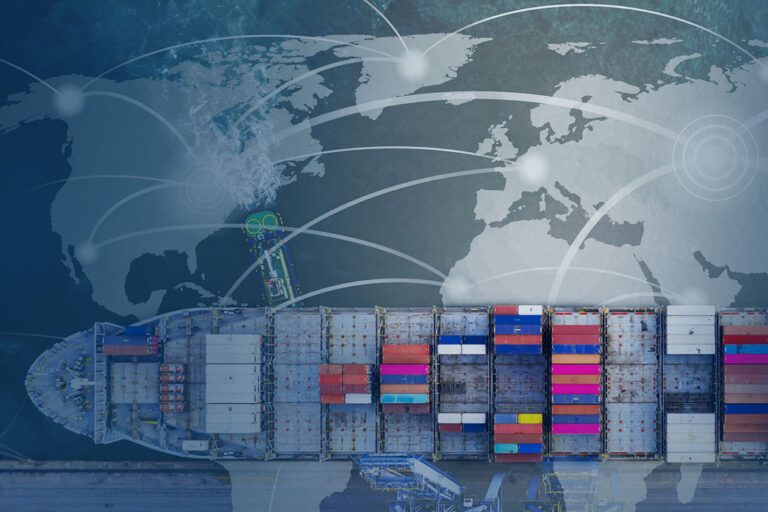
In today’s interconnected world, international cargo delivery stands as the backbone of global trade. From small e-commerce shipments to massive industrial equipment, the efficient movement of goods across borders keeps economies thriving and businesses growing. Whether by air, sea, road, or rail, international logistics enables manufacturers, suppliers, and consumers to connect in once unimaginable ways.
The Importance of International Cargo Delivery
Global commerce depends heavily on the seamless transportation of goods. Every year, trillions of dollars’ worth of products are shipped around the world—from raw materials like oil, metals, and agricultural products to finished goods such as electronics, automobiles, and apparel. Without reliable cargo delivery systems, international trade would stall, affecting markets and industries worldwide.
Efficient cargo delivery ensures that goods reach their destinations safely, on time, and in optimal condition. This process not only benefits large corporations but also supports small and medium-sized enterprises (SMEs) that rely on exporting and importing to compete in the global marketplace.

Modes of International Cargo Transportation
There are several methods of delivering cargo internationally, each suited to different types of goods, timeframes, and budgets. The main modes include
Air Freight
Air cargo is the fastest method of transporting goods across long distances. It’s ideal for time-sensitive shipments such as medical supplies, electronics, or luxury goods. Although it is pricier than other methods, air freight provides unmatched speed and reliability. Major international airports act as global hubs, connecting continents and facilitating trade between countries in a matter of hours.
Sea Freight
Sea transport remains the most common and cost-effective mode for international cargo delivery, especially for bulk shipments. Container ships carry everything from furniture and vehicles to chemicals and machinery across the world’s oceans. While it takes longer than air transport, sea freight is highly economical for large or heavy goods. Modern containerization and digital tracking have made maritime shipping more efficient than ever.
Road Freight
Once goods arrive at ports or airports, trucks play a crucial role in moving cargo to its final destination. In regions such as Europe and Asia, cross-border trucking is an essential link between countries. Road transport offers flexibility and door-to-door delivery, making it a key part of multimodal logistics systems.
Rail Freight
Rail transport is another efficient and environmentally friendly option for international cargo, particularly across continents such as Europe and Asia. Trains can carry large volumes of goods at lower costs and reduced carbon emissions compared to road or air. Transcontinental rail routes, such as those connecting China to Europe, have strengthened global supply chains through their expansion.
Technology transforms global logistics.
The cargo delivery industry has undergone a digital revolution in recent years. Technologies like GPS tracking, AI-based route optimization, automated warehousing, and blockchain documentation are making logistics more transparent, secure, and efficient.
Customers can now track shipments in real time, while logistics providers use predictive analytics to prevent delays and minimize costs. The use of smart sensors ensures that temperature-sensitive goods, such as pharmaceuticals and perishables, are maintained in perfect condition during transit.
Automation and artificial intelligence have also streamlined customs clearance and documentation—areas that were once notorious for causing delays. With digital platforms and electronic bills of lading, international shipping has become faster, safer, and more reliable.
Challenges in International Cargo Delivery
Despite advancements, global cargo delivery still faces challenges. Customs regulations differ between countries, creating complexities in paperwork and compliance. Political instability, trade restrictions, and environmental concerns can also disrupt supply chains.
Additionally, the logistics sector must continuously adapt to global crises such as pandemics, fuel price fluctuations, and natural disasters. These factors emphasize the need for strong risk management and contingency planning within the industry.
Sustainability in Global Shipping
Sustainability has become a major focus in international logistics. The shipping industry, responsible for a significant portion of global emissions, is now embracing greener technologies. Electric trucks, biofuel-powered ships, and energy-efficient aircraft are being developed to reduce carbon footprints.
Companies are also optimizing routes and using eco-friendly packaging to minimize waste. The adoption of cleaner practices not only protects the environment but also enhances brand reputation and compliance with international environmental standards.
The Future of International Cargo Delivery
The future of international cargo delivery looks increasingly digital, automated, and sustainable. Innovations such as drone delivery, autonomous ships, and hyperloop freight systems could revolutionize logistics within the next decade.
Furthermore, trade corridors connecting Asia, Africa, Europe, and the Americas will continue to expand, offering faster and more cost-effective transport options. With global e-commerce booming, the demand for efficient cross-border shipping solutions will only grow stronger.
Conclusion
International cargo delivery is much more than just moving goods—it’s the lifeline of the global economy. It connects countries, supports industries, and empowers businesses of all sizes to reach new markets. As technology and sustainability drive the next wave of innovation, the logistics industry will continue to play a central role in shaping the future of global trade.